





Honoring our silent professionals, our special forces


One of my proudest moments this year was returning—not just as the Chief of Staff of the Armed Forces of the Philippines, but as a brother-in-arms—to one of the units that shaped my core as a soldier.
On June 28, I stood before the gallant men and women of the Special Forces Regiment (Airborne) as they marked their 63rd founding anniversary at Fort Magsaysay in Palayan, Nueva Ecija. I addressed them not only as the guest of honor but as one of their own—someone who once wore the same patch, took the same oaths, and lived by the same creed.
The Special Forces (SF) hold a unique place in the Philippine Army. Established on June 25, 1962, the unit was founded under the visionary leadership of then-Captain Fidel V. Ramos and Major General Jose “Joemag” P. Magno Jr. (Ret.), along with a handful of determined officers. It was born from the growing need for an elite, agile force trained in unconventional warfare—capable of going where others could not and doing what others dared not.
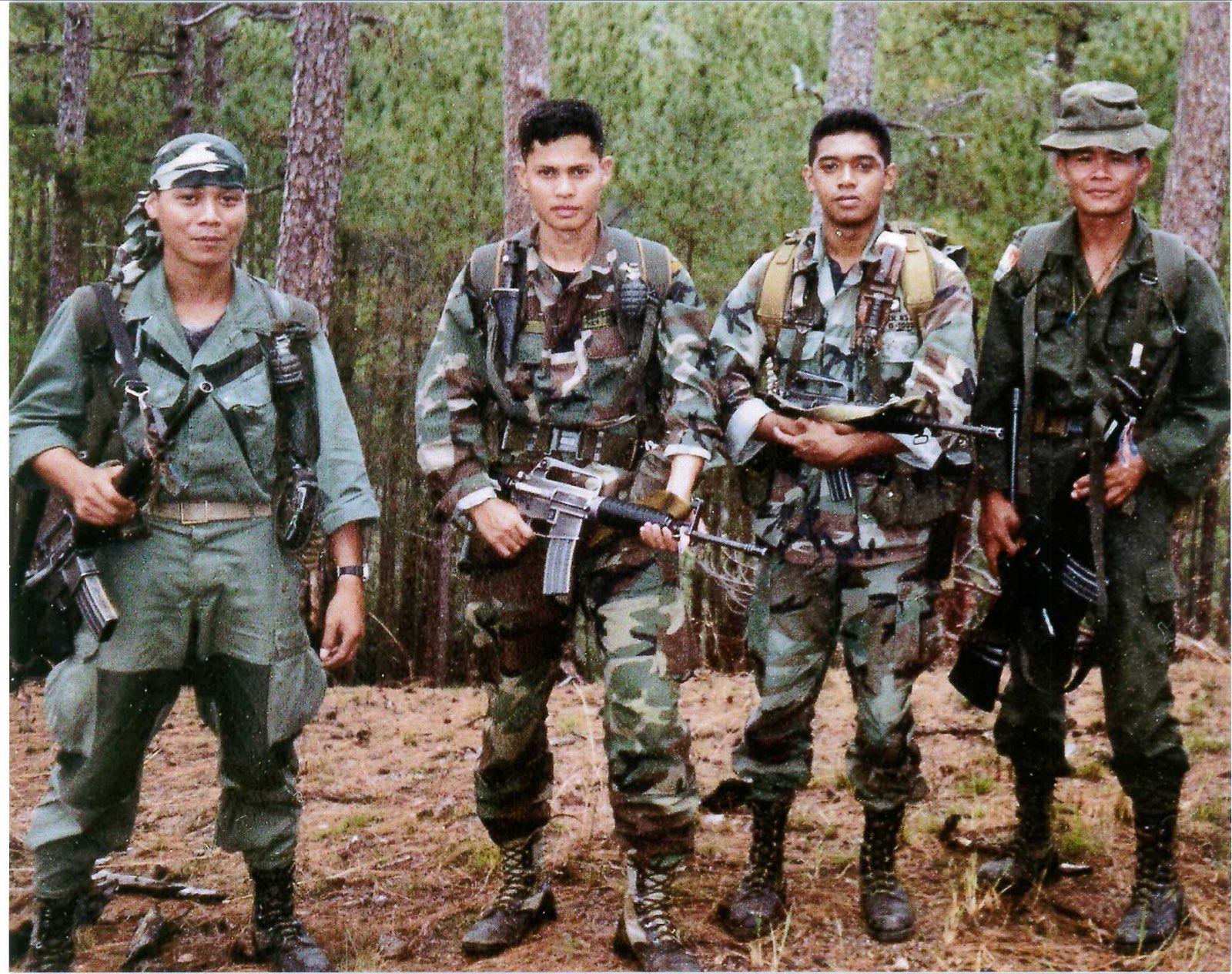
More than six decades later, that vision has not only endured but has evolved into a world-class regiment recognized for its strategic value and precision. Today, their legacy lives on through a new generation of warriors trained to fight across multiple domains.
Our motto in the Special Forces is “Courage and Determination.” We are known as the Silent Professionals. Our expertise lies in the shadows—in intelligence gathering, psychological operations, counterinsurgency, hostage rescue, and joint special operations. In every battle, jungle trail, and freefall from the sky, “Courage and Determination” is not just an adage but a way of life.
I have been privileged to serve in various capacities within this proud regiment. I once commanded the 6th Special Forces “Makamandag” Company, operating in Davao and the CARAGA Region. Later, I led the 2nd Special Forces “Sabertooth” Battalion, active in Bohol, Leyte, and Samar. I also served as Operations Officer of the Special Forces Regiment (Airborne). Every post deepened my belief in the capabilities, character, and commitment of the Filipino serviceman. These assignments left a lasting mark on me—not just as a soldier, but as a leader and a citizen.
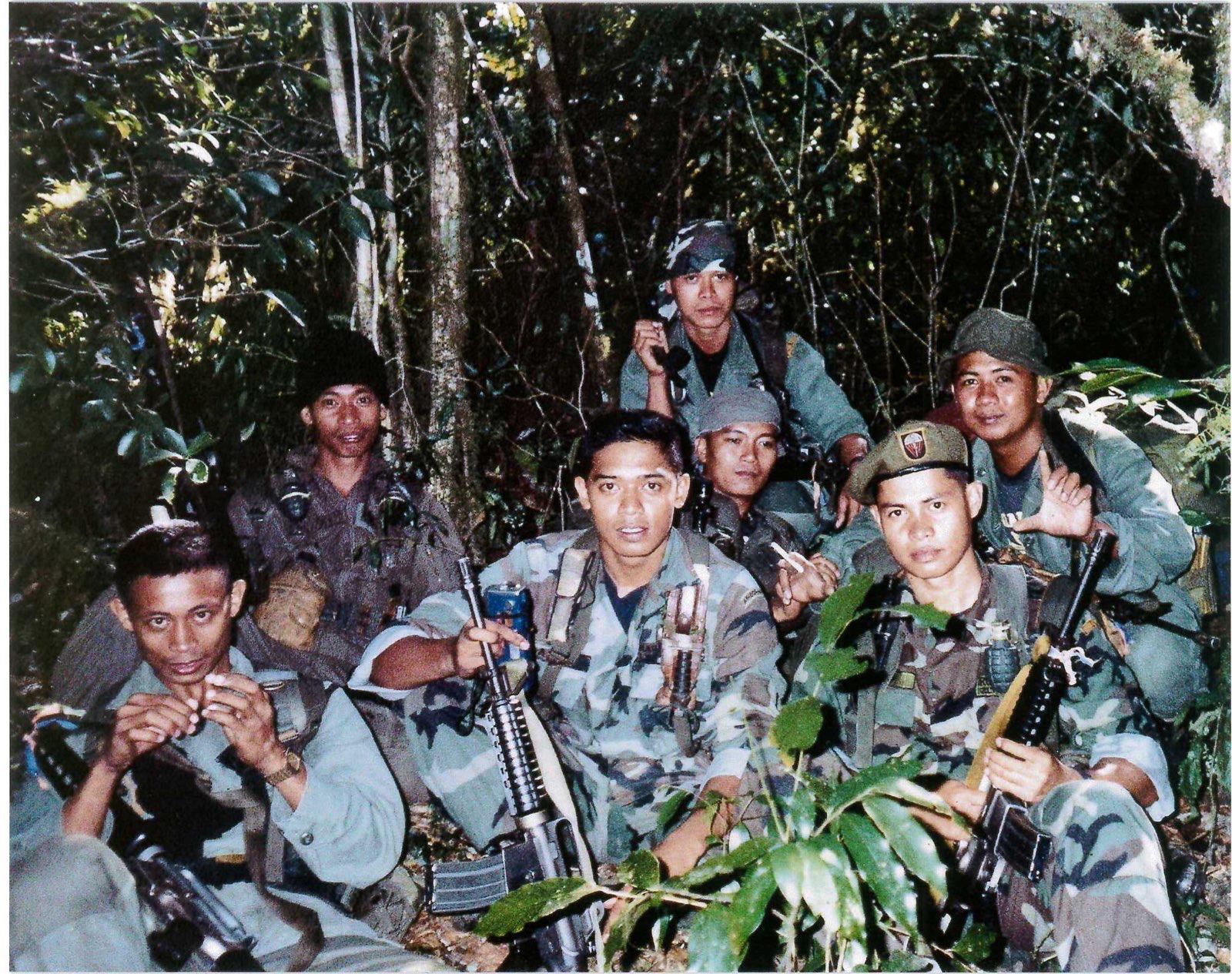
In the annals of Philippine military history, few names shine as brightly as that of Lieutenant General Arturo Ortiz. On April 6, 1990, then-Captain Ortiz led 24 Special Forces soldiers and 36 Citizen Armed Force Geographical Unit (CAFGU) members on an 11-hour foot march, followed by a treacherous 1,000-foot ascent, to raid a major New People’s Army training camp in Murcia, Negros Occidental.
They were outnumbered more than four to one, facing over 200 heavily armed insurgents. Yet through surprise, strategy, and sheer audacity, they executed a successful raid that resulted in 84 enemy fatalities, eight captures, and the recovery of firearms, explosives, and vital documents. Remarkably, not a single soldier under Captain Ortiz’s command was lost. For his gallantry and leadership, he was awarded the Medal for Valor, the highest military honor in the Philippines. This story continues to remind us of the silent, swift, and sure spirit of the Special Forces.
Today, the threats we face are evolving. As I told our troops during the ceremony, “We are living in an era of multi-domain warfare—where attacks don’t just come with bullets, but with bytes, broadcasts, and narratives.” But the Special Forces are no strangers to transformation. Adaptability is embedded in our DNA.
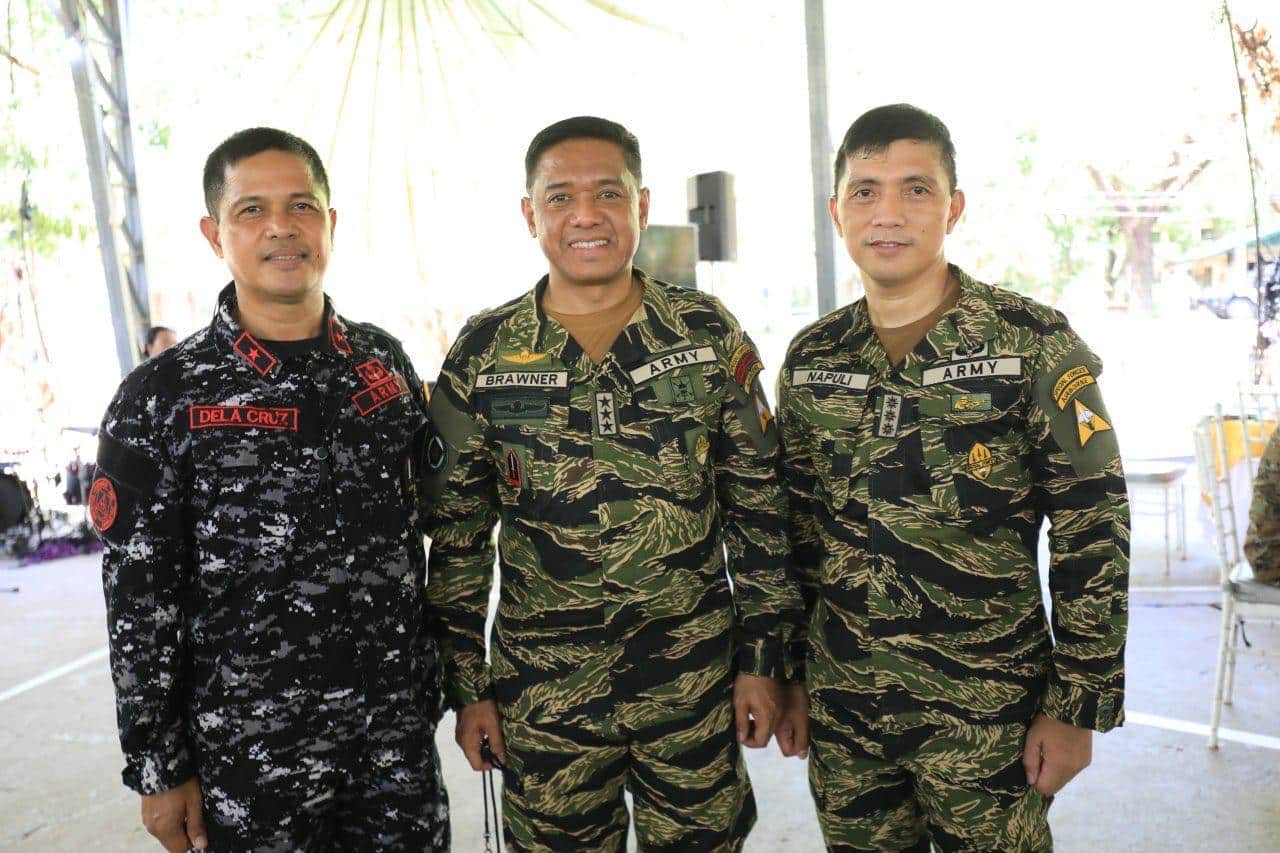
From jungle warfare to riverine operations, from psychological operations to influence shaping, SF troops remain our sharpest edge—and I dare say, our quiet strength. This year’s anniversary theme reflects that enduring ethos: advance capabilities, commit to the mission, and champion core values.
We began the day with a wreath-laying ceremony at the AFP Special Operations Command Memorial, honoring our fallen comrades who paved the way. This was followed by a powerful capability demonstration by the Special Forces School, showcasing the grit, speed, and precision that only SF units can deliver.
A particularly moving moment was the blessing of the Magno Marker, also known as Drop Zone Magno. It was named after retired Major General “Joemag,” one of our earliest trailblazers and a revered paratrooper whose contributions helped shape the SF identity.
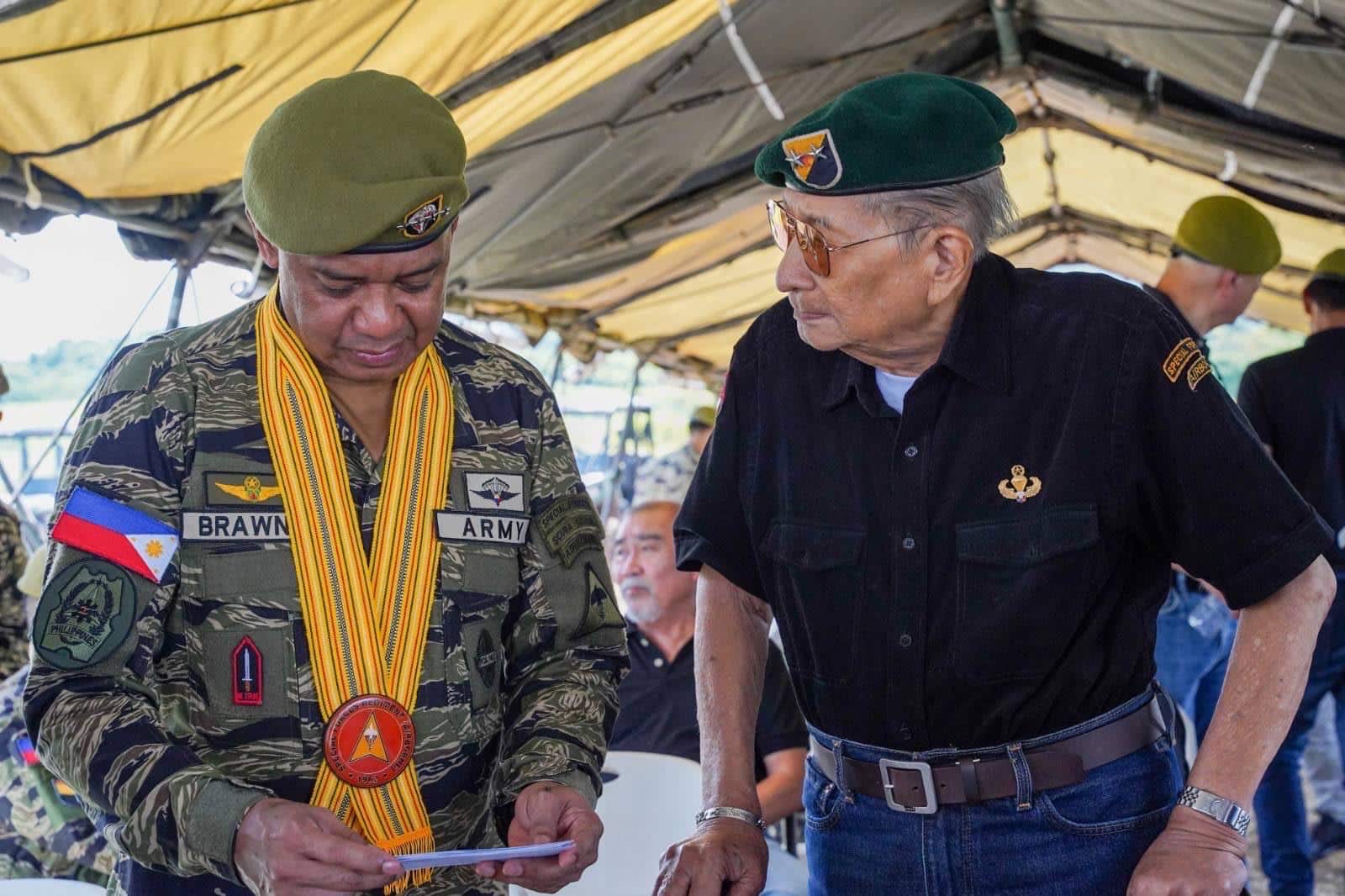
We were deeply honored to have the retired Major General himself with us that day, now 95 years old. Joining him were Brigadier General Rosendo C. Abad Jr., Commander of the SFR(A); Major General Ferdinand B. Napuli, Army Inspector General and former SFR(A) Commander; and Major General Joseph Norwin D. Pasamonte, Commander of the 7th Infantry Division. The presence of these senior officers, all profoundly connected to the Special Forces, underscores how far this unit has come—and how much farther we are prepared to go.
We also acknowledged our outstanding officers, enlisted personnel, and civilian stakeholders who have gone above and beyond in their commitment to the regiment’s ideals. Their example reminds us that bravery does not always roar; sometimes, it whispers in steadfast action.
As we chart the future of the Special Forces, I see a unit grounded in tradition yet future-ready. With continued force modernization, deeper interoperability with joint and allied forces, and stronger ties with academia and civil society, the SF will continue to grow into a force capable of operating in every environment—land, sea, cyber, and beyond.
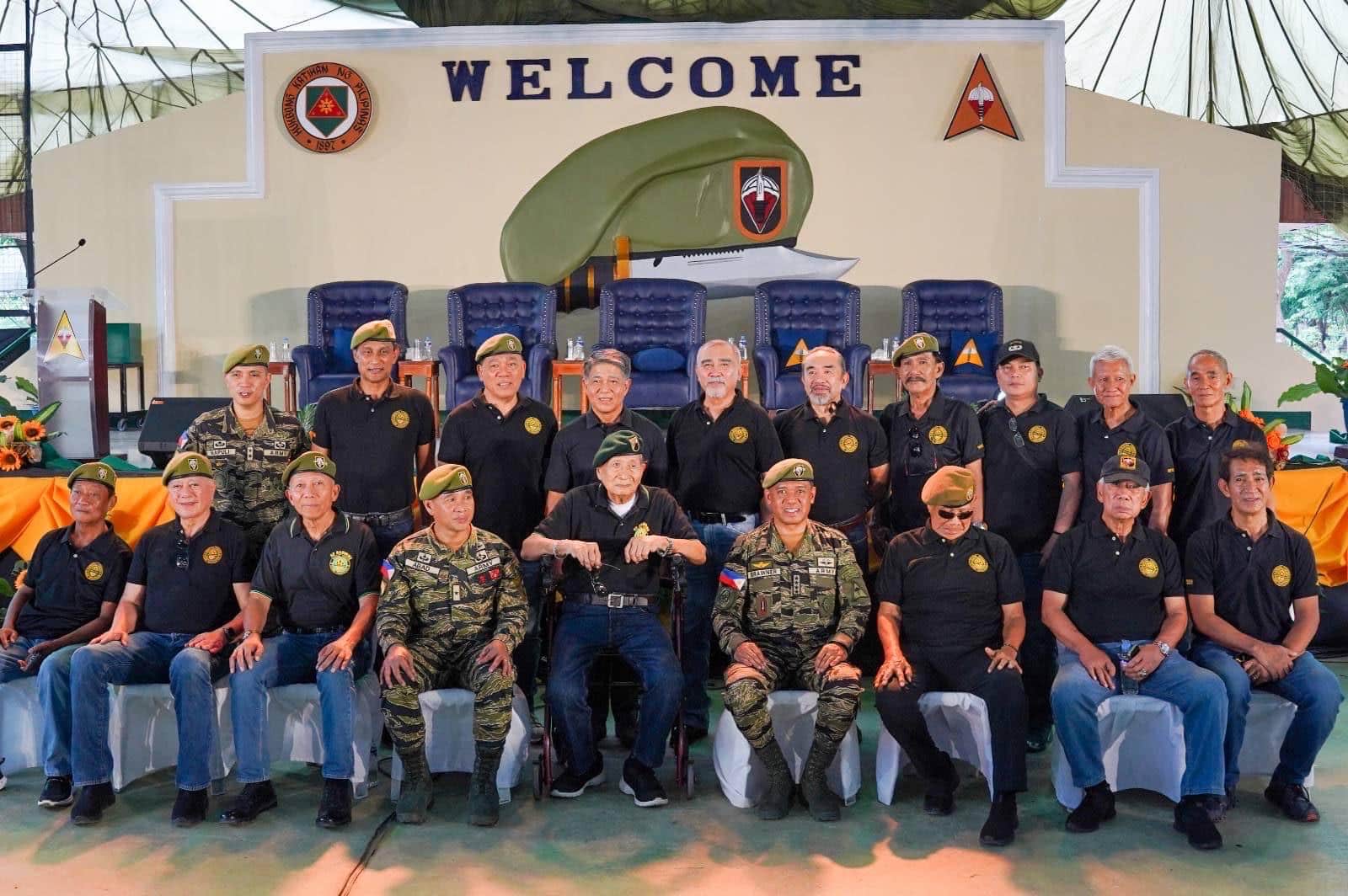
Every man and woman in uniform is exceptional, but the Special Forces are forged for the impossible.
At the heart of their silent victories lies a truth I’ve always believed: it is never just the weapons or the gear that define us—it is the values we hold on to, especially when no one is watching.
Courage, discipline, loyalty, and service—these are the principles that define who we are in the Armed Forces of the Philippines. Like our Special Forces, we operate in silence, yet the impact of our service resonates across generations.
That is The General Idea.


